
Skillet Biscuits
Discover the high-heat skillet trick that guarantees perfect biscuits every single time. Learn how to make ultra-tender, southern-style Skillet Biscuits in under 25 minutes.
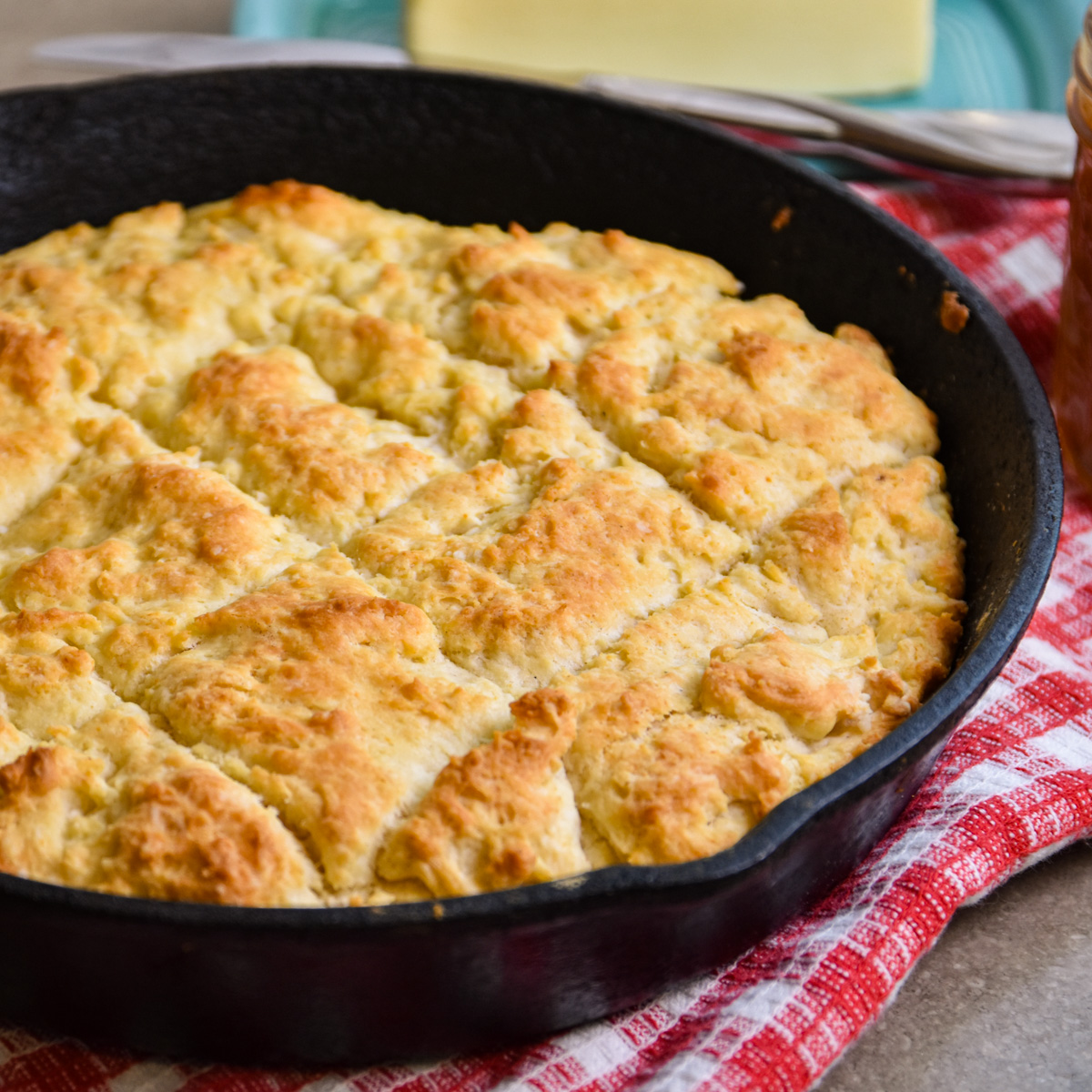
The Problem with Traditional Biscuits (And Why This Recipe Wins)
We've all been there: you crave a warm, flaky, tall-as-a-house biscuit, but the reality involves a floured countertop disaster zone, a cold butter hostage situation, and a final product that resembles a hockey puck.
Traditional biscuits can be challenging. Overwork the dough? Dense. Butter too warm? Flat.
Enter my mom's Skillet Biscuits.
The game-changer technique here? We are abandoning the rolling pin entirely.
By utilizing a wet, high-moisture dough coated in canola oil directly inside a cast-iron skillet, we create a self-basting steam chamber.
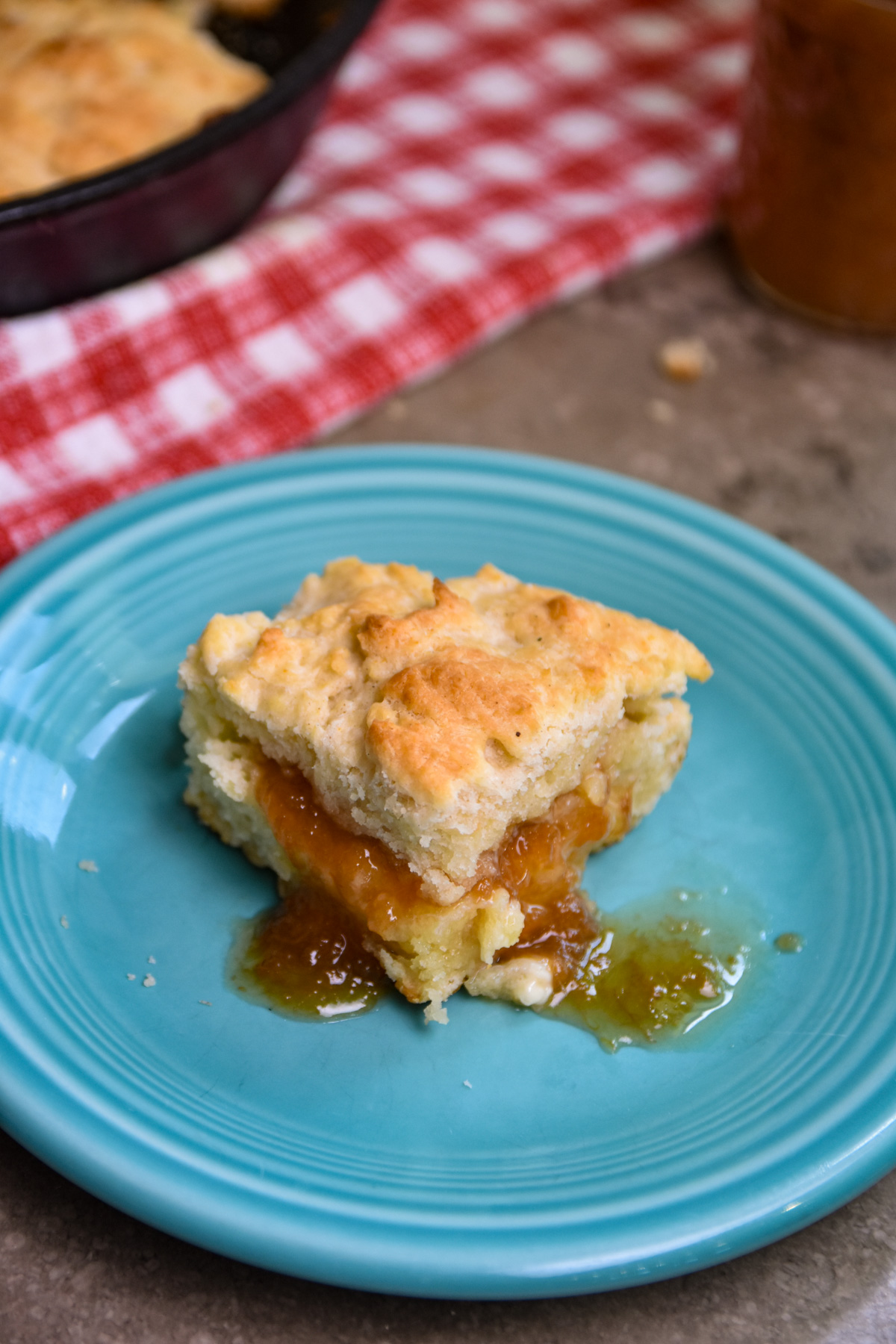
You get maximum rise, a shattering exterior crust, and a pillowy interior-all with exactly five minutes of prep.
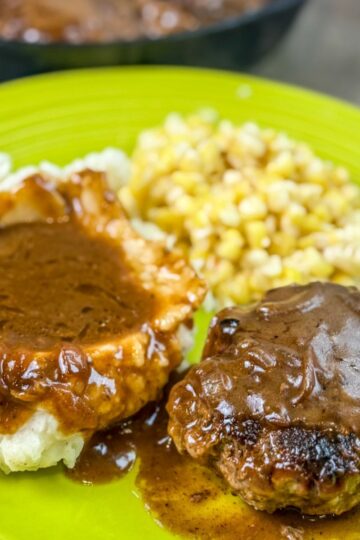
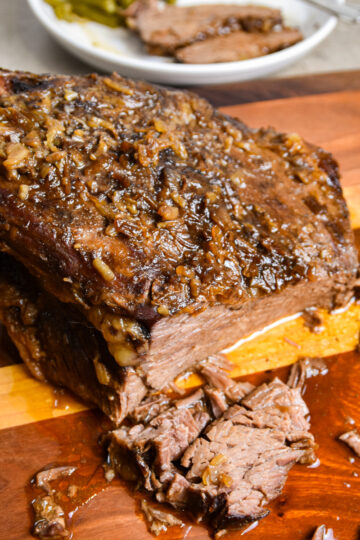
It's the ultimate zero-stress sidekick to our Oven Baked Hamburger Steaks with Brown Onion Gravy or a massive bowl of sausage gravy.
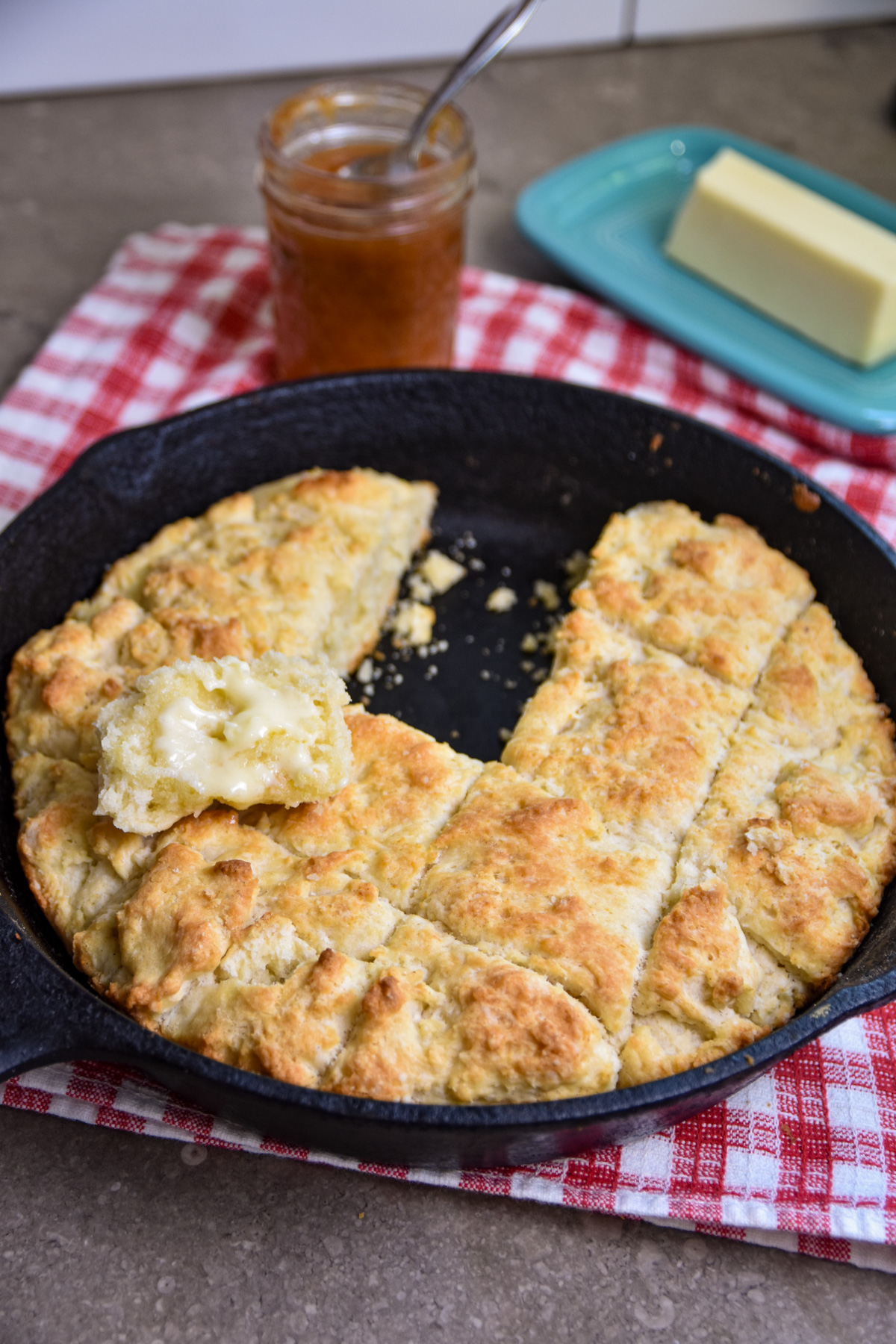
Biscuit Ingredients (And Why They Matter)
- All-Purpose Flour: Provides the structure. Don't grab bread flour here; we want tender crumbs, not chewy pizza crust.
- Baking Powder: Our primary leavening agent. Check the expiration date-old baking powder is the number one cause of flat biscuit sadness.
- Kosher Salt: Standard table salt is too fine and will make these overly salty. Kosher salt gives you that perfect, well-rounded savory note.
- Shortening: The secret to the texture. While butter brings flavor, shortening brings an unmatched tenderness and a higher melting point, ensuring the biscuits stay extraordinarily light and fluffy.
- Milk + White Vinegar: This is our quick-fix homemade buttermilk. The acid reacts violently (in a good way) with the baking powder, forcing the dough to puff up instantly in the oven.
- Canola Oil: This coats the skillet and the dough. It acts as a frying agent for the bottom and top crusts, yielding that coveted golden crunch.
See recipe card for quantities.
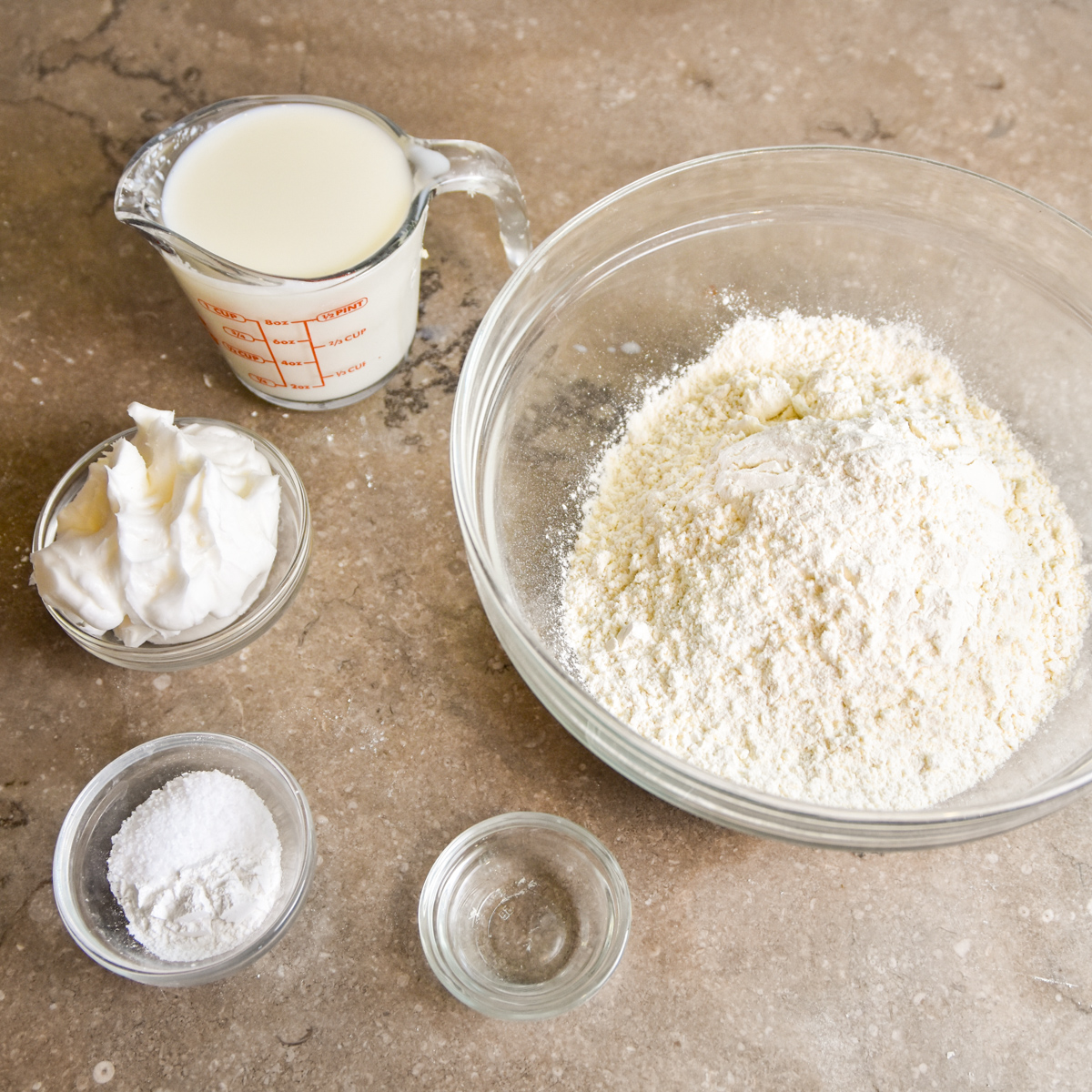
How to Make Skillet Biscuits
1. Fire Up the Oven and Prep the Skillet
Preheat your oven to a roaring 500°F. Yes, 500°F. High heat is mandatory to turn the moisture in the dough into instant steam for maximum lift. Pour the canola oil into the bottom of a 10-inch cast-iron skillet and set it aside.
2. Sour the Milk
In a small bowl, stir the white vinegar into the milk. Set it aside for 5 minutes. Why? The acid needs a moment to curdle the milk, mimicking buttermilk to activate our leavener.
3. Combine Dry Ingredients and Cut the Fat
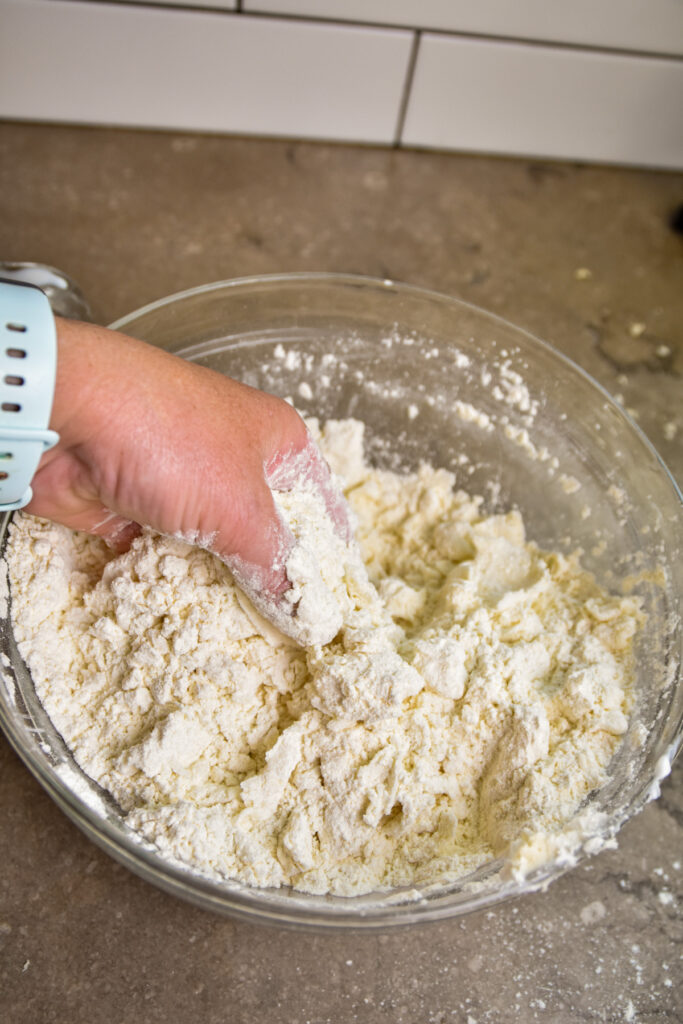
In a large bowl, whisk together the flour, baking powder, and kosher salt. Drop in the shortening. Using your fingertips, gently rub the shortening into the flour until the pieces are roughly the size of peas.
Expert Tip: Do not overmix! Those little pea-sized pockets of shortening will melt during baking, leaving behind perfect, airy voids in the crumb.
4. Bring it Together
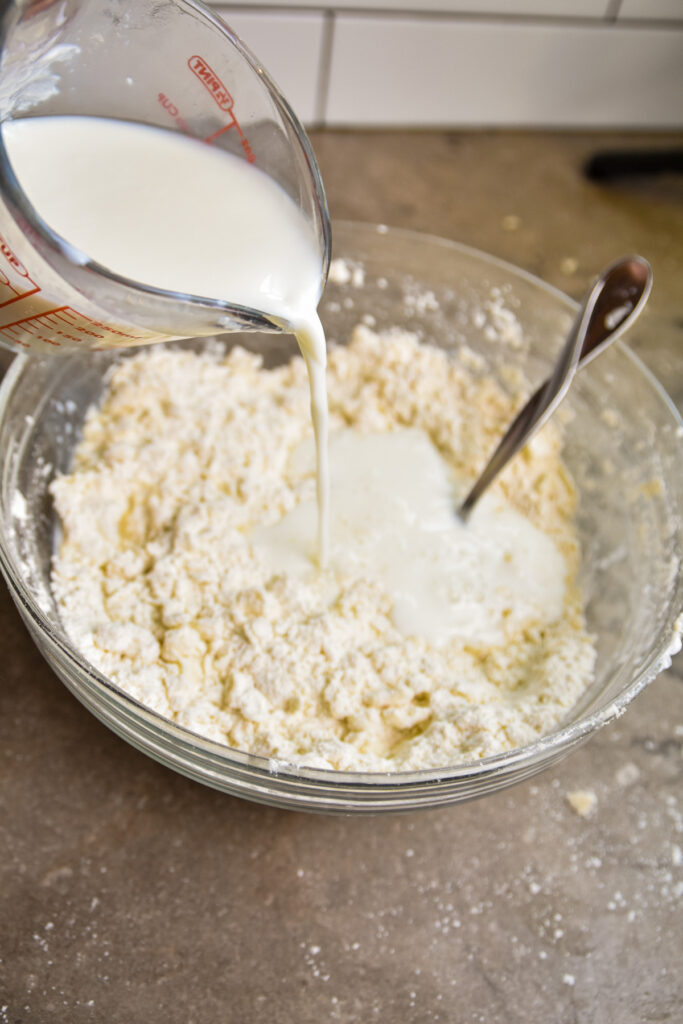
Pour in the milk mixture. Grab a fork and stir just until combined. The dough will look shaggy and wet. Stop mixing the second the flour hydrates; over-activating the gluten will turn these tough.
5. The Skillet Flip Technique
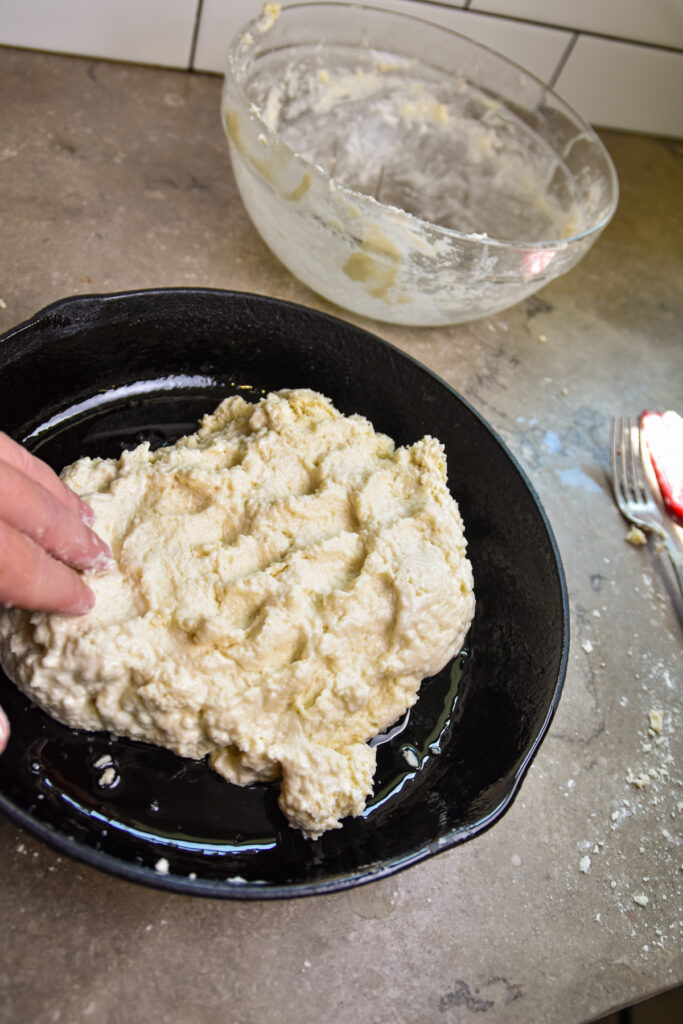
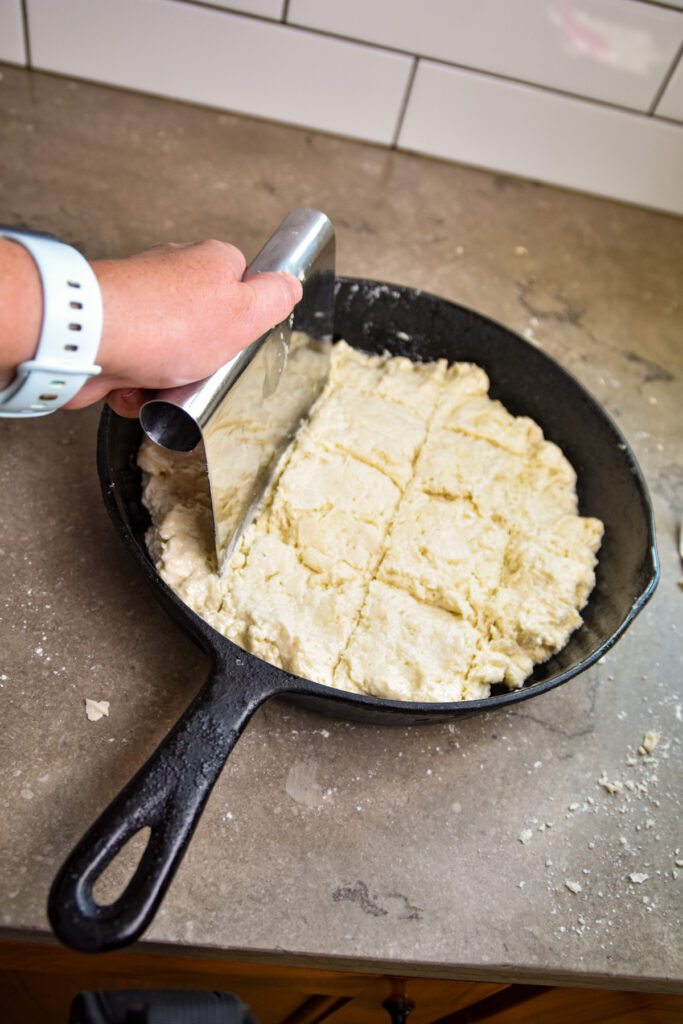
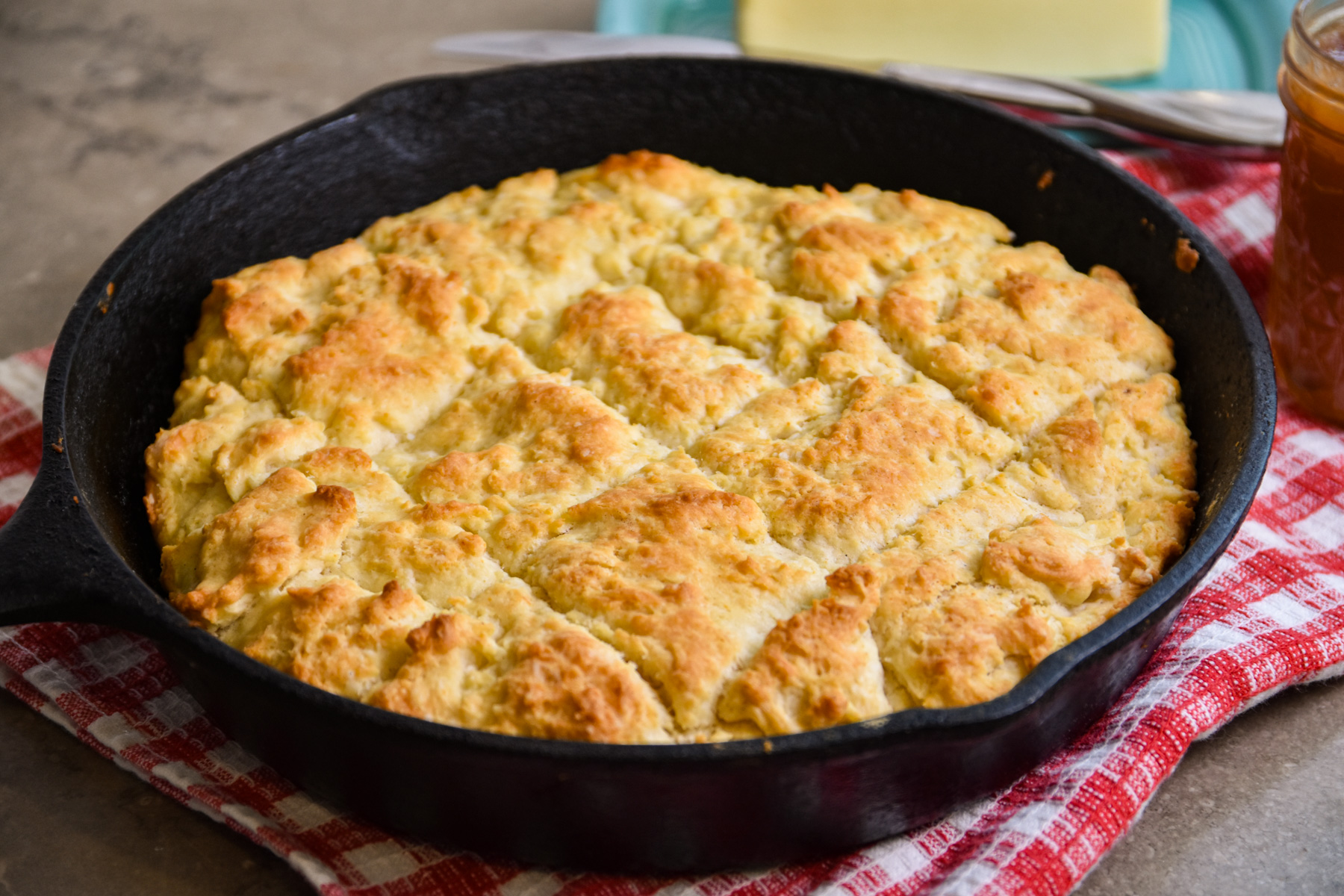
Dump the batter directly into the oiled cast-iron skillet. Flatten it out slightly with your hands, then flip the entire mass of dough over. This ensures both the top and the bottom are completely coated in canola oil. Gently press the dough to fill the pan, then use a pastry scraper or a sharp knife to score the dough into 12 biscuits.
6. Bake to Golden Glory
Pop the skillet into the oven and bake for 18 to 20 minutes until the tops are deeply golden brown. Break them apart along the scored lines and serve immediately.
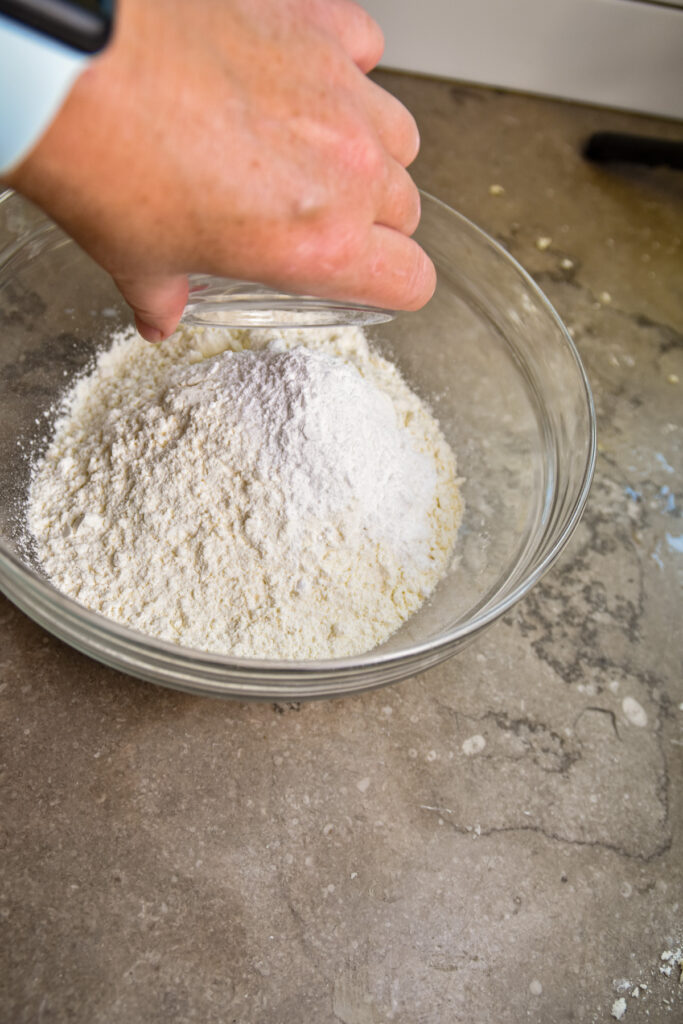
Cooking for One or Two
This recipe scales down beautifully if you aren't feeding a crowd. Cut all the ingredients exactly in half and utilize a 6-inch or 8-inch cast-iron skillet or a small cake pan.
"In a Pinch" Ingredient Swaps
The Oil Swap: Melted lard or bacon grease can replace the canola oil in the bottom of the skillet for an extra layer of savory flavor.
The Buttermilk Pivot: If you have actual buttermilk on hand, skip the milk and vinegar entirely and use 1 ¼ cups of real buttermilk.
The Fat Exchange: Out of shortening? You can use cold, cubed unsalted butter. The biscuits will be slightly less tender but will carry a rich, buttery flavor.
Creative Variations
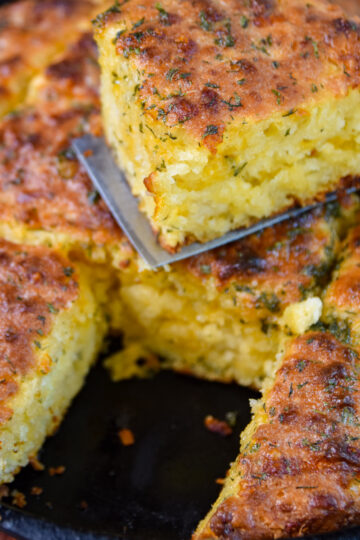
- The Herb & Cheddar Upgrade: Fold 1 cup of sharp cheddar cheese and 1 tablespoon of finely chopped fresh chives into the dry ingredients before adding the milk.
- The Jalapeño Popper: Add ½ cup of minced jalapeños and ½ cup of cream cheese chunks into the dough for a spicy kick.
Storage & Reheating Tips
The Best Reheating Method: Reheat in a 350°F oven, Air Fryer or toaster oven for 5-7 minutes until the exterior crisps back up.
The Fridge Life: Store leftover biscuits in a zip-top bag at room temperature for up to 2 days, or in the fridge for up to 5 days.
The Container Matters: Avoid wrapping them tightly in plastic wrap while warm, as the trapped condensation will turn the crispy crust into a soggy mess. Let them cool completely on a wire rack first.
Can You Freeze It?: Absolutely. Wrap individual cooled biscuits in foil and place them in a freezer bag for up to 3 months. Bake from frozen at 350°F for 15 minutes to revive them.
Top Tip
Share something here that you think is key to making this recipe well, such as: Don't overcook the burgers! Sear the outside and cook to a minimum internal temperature, but they should still be juicy for best results.
FAQ
Two culprits usually cause this: either your baking powder is expired, or you overworked the dough. If you mix the dough until it's smooth like bread dough, you destroy the fat pockets and over-develop the gluten, pinning the biscuits down.
No. Because this recipe relies on the immediate chemical reaction between the vinegar-milk acid and the baking powder, the dough must go straight into the oven. If it sits, the bubbles will deflate, and you'll lose that signature loft.
Cast iron retains and conducts heat vastly better than a standard sheet pan. It immediately sears the bottom of the dough in the canola oil, creating a fried, crispy crust that you simply cannot get on a cookie sheet.
Other Homestyle Recipes
Biscuits are perfect topped with sausage gravy, split for a bacon & egg biscuit sandwich, topped with strawberries & Homemade Whipped Cream or alongside a homestyle meal like our Hamburger Steaks.

Fresh Out of the Kitchen: What We're Cooking Right Now


Share the Love
Leave a comment and I'll do my best to answer you!
And, if you made this recipe, please let me know how you liked it by leaving a comment and/or giving a rating!
And of course, if you do make this recipe, tag @laughingroostereats on Instagram and hashtag it #laughingroostereats! Seeing your photos is our favorite thing!
Ingredients
Method
- Preheat the oven to 500℉.
- Pour canola oil in the bottom of a 10 inch cast iron skillet. Set aside.1 Tablespoon canola oil
- In a small bowl, add white vinegar to the milk and set aside.1 ¼ cups milk, 1 Tablespoon white vinegar
- In a large bowl, combine flour, baking powder, and salt.3 cups all purpose flour, 1 Tablespoon baking powder, 1 teaspoon kosher salt
- Add shortening to the flour mixture and gently mix in with your finger tips until the shortening is the size of peas or so. Do not overmix.¾ cup shortening
- Add milk mixture and stir with a fork, just until combined.
- Pour the batter into the skillet. Flatten into the pan, then flip over so both the top and bottom are coated with oil. Gently press the batter into the pan. Cut into biscuits using a pastry scraper or a knife.
- Bake for 18 to 20 minutes or until golden brown.


This is my go-to biscuit recipe. I love no rolling out and no countertop mess! Add flipping them over to coat both sides of the dough before baking makes them so crispy on the outside and still fluffy in the middle!
New favorite go to homemade biscuit recipe! Super simple, delicious and fluffy!
LOVE hearing this!! Thank you for taking time to leave a review. 🙂
Easy, fast and delicious. I halved the recipe and and baked in my small cast iron skillet. Since we already had buttermilk used that instead of curdling the milk with vinegar. A real winner.
Thank you for your kind review! I'm glad you mentioned using buttermilk instead of curdling the milk with vinegar. I never keep buttermilk on hand so I need to add that reminder to the recipe. 🙂